Silver has been treasured for centuries because of its beauty, durability, and timeless appeal. From elegant jewelry to luxury tableware, genuine silver remains one of the most popular precious metals in the world. However, with so many silver-plated and counterfeit products on the market, it is important to understand the different types of silver and learn how to identify real silver before making a purchase or selling valuable items.
What Is Real Silver?
Pure silver contains 99.9% silver, also known as Fine Silver (999 Silver). While it has an attractive bright white appearance, pure silver is relatively soft and can bend or scratch easily.
For this reason, most silver products are made by combining silver with other metals, usually copper, to increase strength and durability.
Common Types of Silver
Understanding the different silver alloys helps buyers choose the right product for their needs.
Sterling Silver (925 Silver)
Sterling Silver is the most popular type of silver used in jewelry and luxury accessories.
It contains:
- 92.5% pure silver
- 7.5% other metals, usually copper
Sterling silver offers an excellent balance between beauty, durability, and value. Most quality rings, necklaces, bracelets, and earrings are made from 925 silver.
Fine Silver (999 Silver)
Fine Silver contains 99.9% pure silver.
Advantages include:
- Highest silver purity
- Bright white appearance
- Excellent corrosion resistance
However, because it is soft, Fine Silver is more commonly used for investment bars, collectible coins, and decorative pieces rather than everyday jewelry.
Silver-Plated Jewelry
Silver-plated products are made from a base metal coated with a thin layer of silver.
Although they may look similar to genuine silver, the silver coating can wear away over time, exposing the underlying metal.
Silver-plated items are generally less valuable and have a much lower resale price.
Popular Silver Products
Silver is used in a wide variety of products beyond traditional jewelry.
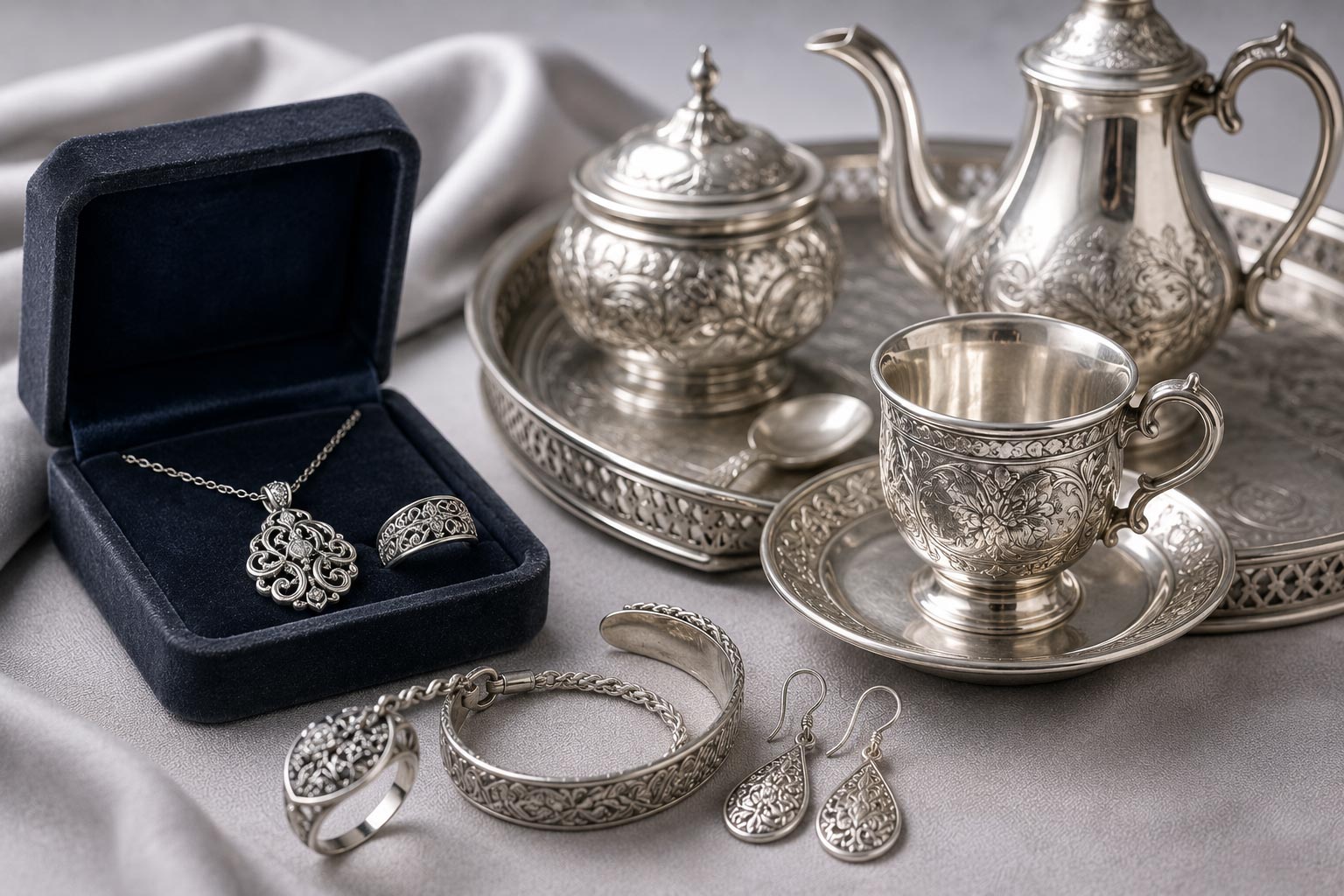
Silver Jewelry
The most common silver items include:
- Rings
- Necklaces
- Bracelets
- Earrings
- Pendants
- Anklets
Sterling silver jewelry is especially popular because it combines elegance with affordability.
Silver Tableware
Luxury households often use silver tableware, including:
- Serving trays
- Tea sets
- Bowls
- Decorative plates
- Cutlery
- Cups
Many antique silver tableware collections have significant historical and investment value.
Decorative Silver Items
Silver is also widely used for:
- Picture frames
- Religious artifacts
- Decorative statues
- Home décor
- Collectible gifts
How to Tell if Silver Is Real
Knowing how to identify genuine silver can help you avoid counterfeit products.
Check the Hallmark
Most authentic silver items are stamped with markings such as:
- 925
- Sterling
- Sterling Silver
- 999
- Fine Silver
These marks indicate the purity of the silver.
Use a Magnet
Silver is not magnetic.
If a strong magnet attracts the item, it is likely made from another metal rather than genuine silver.
Look for Tarnish
Unlike stainless steel, real silver naturally develops a dark tarnish over time due to exposure to sulfur in the air.
A small amount of tarnish is often a sign that the item contains genuine silver.
Perform the Ice Test
Silver has one of the highest thermal conductivity levels of any metal.
Place an ice cube on the silver surface.
Real silver transfers heat very quickly, causing the ice to melt noticeably faster than on most other metals.
Listen to the Sound
When gently tapped, genuine silver produces a clear, bright, bell-like ringing sound.
Counterfeit metals usually produce a dull or short sound.
Professional Silver Testing
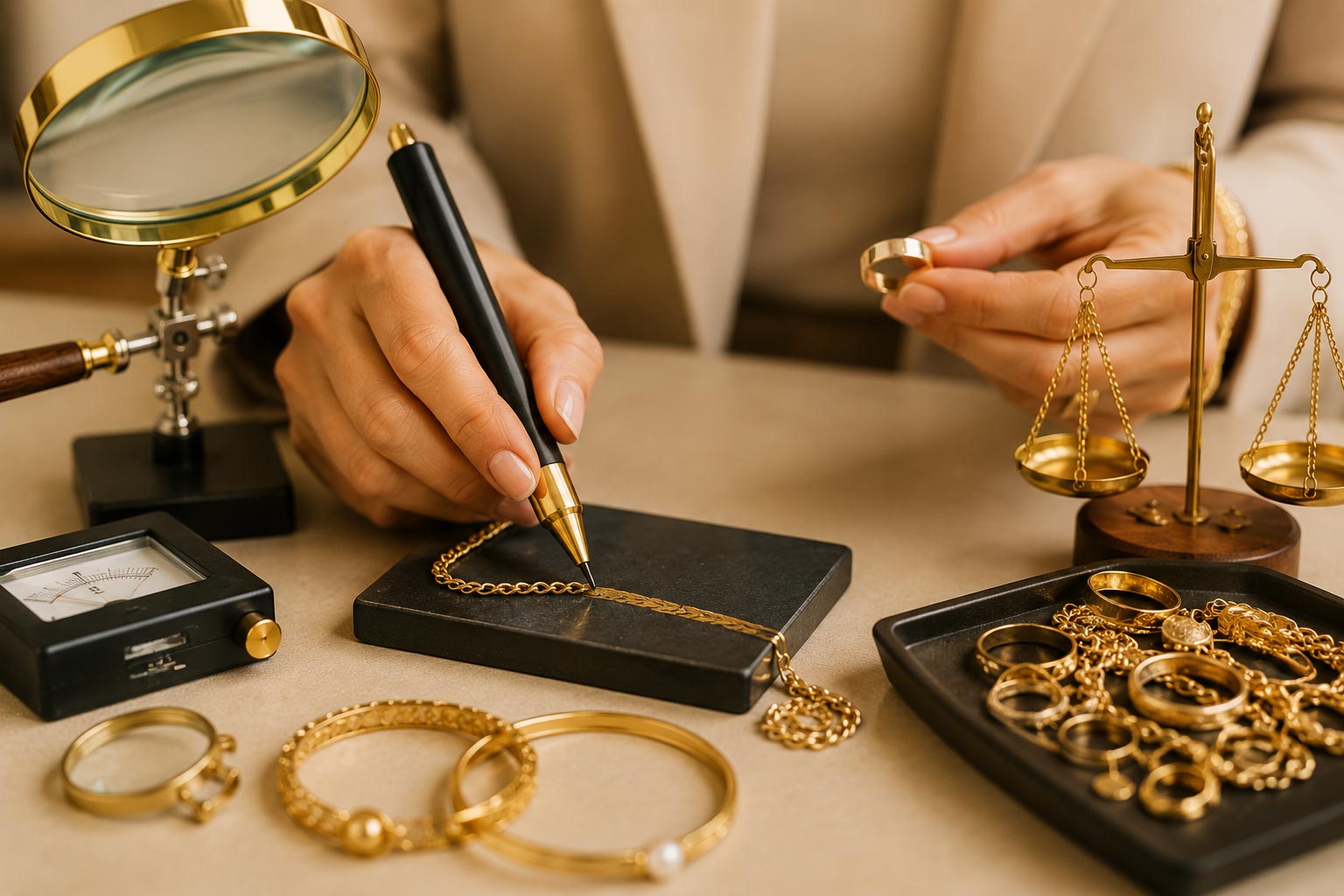
The most reliable way to confirm authenticity is through professional testing.
Experienced silver buyers use advanced equipment such as:
- Electronic precious metal testers
- XRF analyzers
- Precision weighing systems
- Acid testing kits
These methods provide highly accurate results without relying on appearance alone.
Why Authentic Silver Matters
Real silver offers lasting beauty, strong resale value, and excellent durability. Genuine sterling silver jewelry can last for generations when properly cared for, while antique silverware and collectible silver pieces may appreciate in value over time.
Choosing authentic silver also ensures better craftsmanship, higher quality, and greater long-term satisfaction.
Conclusion
Understanding the different types of silver, including Sterling Silver (925), Fine Silver (999), and silver-plated products, helps you make informed buying decisions. Whether you’re purchasing elegant jewelry, collectible silverware, or decorative pieces, learning how to identify real silver is essential. By checking hallmarks, performing simple authenticity tests, and consulting trusted professionals, you can confidently buy, sell, and enjoy genuine silver for years to come.