How to Tell if Gold Is Real: 10 Reliable Ways to Identify Genuine Gold
Gold has always been one of the world’s most valuable precious metals, making it a common target for counterfeit products. Whether you are buying second-hand jewelry, investing in gold, or planning to sell old jewelry, knowing how to tell if gold is real can save you money and prevent costly mistakes. In this guide, you’ll learn the most reliable methods for identifying genuine gold and avoiding fake pieces.
Why It Is Important to Identify Real Gold
Fake gold may look almost identical to genuine gold, especially to an untrained eye. However, real gold has unique physical and chemical properties that make it different from plated or imitation jewelry.
Before making any transaction, always verify the authenticity of your gold to ensure you’re getting its true value.
1. Look for the Hallmark
The easiest way to identify real gold is by checking for a hallmark or purity stamp.
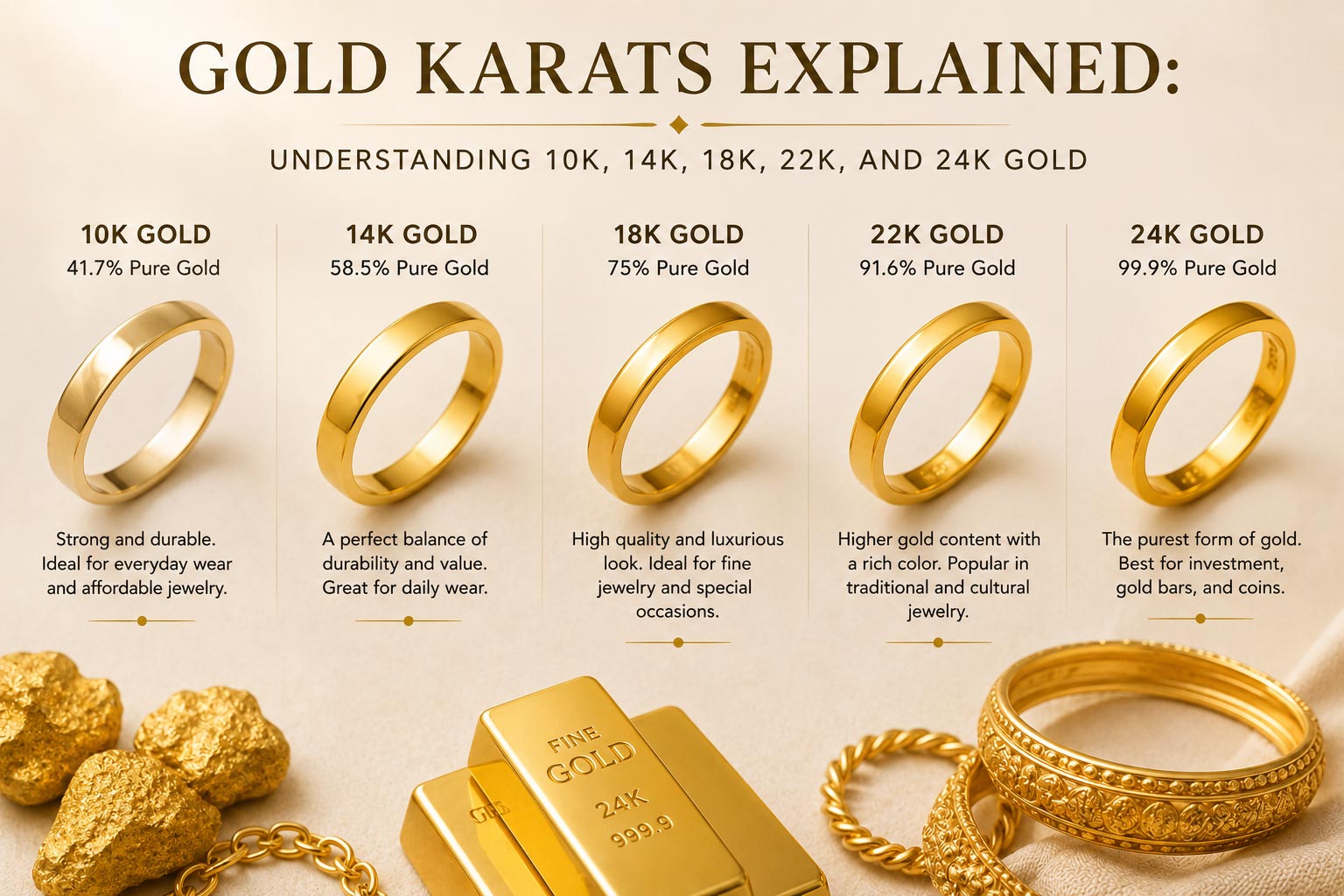
Common markings include:
- 10K
- 14K
- 18K
- 22K
- 24K
- 417
- 585
- 750
- 916
- 999
These numbers indicate the percentage of pure gold in the item. While hallmarks can sometimes be forged, they are still a useful first step.
2. Perform the Magnet Test
Gold is not magnetic.
Hold a strong magnet close to the jewelry. If the piece is strongly attracted to the magnet, it likely contains iron or other magnetic metals instead of solid gold.
Keep in mind that some non-gold metals are also non-magnetic, so this test alone is not enough.
3. Check for Discoloration
Real gold does not rust or tarnish under normal conditions.
Inspect areas that experience frequent friction, such as edges, clasps, and ring interiors. If you notice another metal color showing underneath the surface, the item is probably gold-plated rather than solid gold.
4. Use the Ceramic Plate Test
Lightly drag the gold across an unglazed ceramic plate.
- A gold-colored streak usually indicates genuine gold.
- A black or gray streak often suggests fake gold.
Use this method carefully to avoid scratching valuable jewelry.
5. Perform the Density Test
Gold is one of the densest precious metals.
A genuine gold item typically feels heavier than a fake piece of the same size. Jewelers often use density calculations to estimate whether a piece matches the expected weight for its purity.
6. Try the Nitric Acid Test
Professional gold buyers commonly use nitric acid to verify authenticity.
When nitric acid is applied:
- Real gold remains unchanged.
- Fake metals may turn green, brown, or produce visible reactions.
Because acids can damage jewelry and require proper safety precautions, this test should only be performed by experienced professionals.
7. Listen to the Sound
Gold produces a soft, deep ringing sound when gently tapped against another metal.
Counterfeit metals often create a sharper or shorter sound. Although experienced jewelers sometimes use this technique, it should always be combined with other testing methods.
8. Examine the Surface Carefully
Using a magnifying glass, inspect the jewelry for:
- Peeling
- Flaking
- Bubbles
- Uneven coloring
- Worn edges
These signs often indicate gold plating rather than solid gold.
9. Verify the Weight
Gold has a high density, making genuine pieces noticeably heavier than imitation jewelry.
If two similar items have significantly different weights, the heavier one is more likely to contain genuine gold.
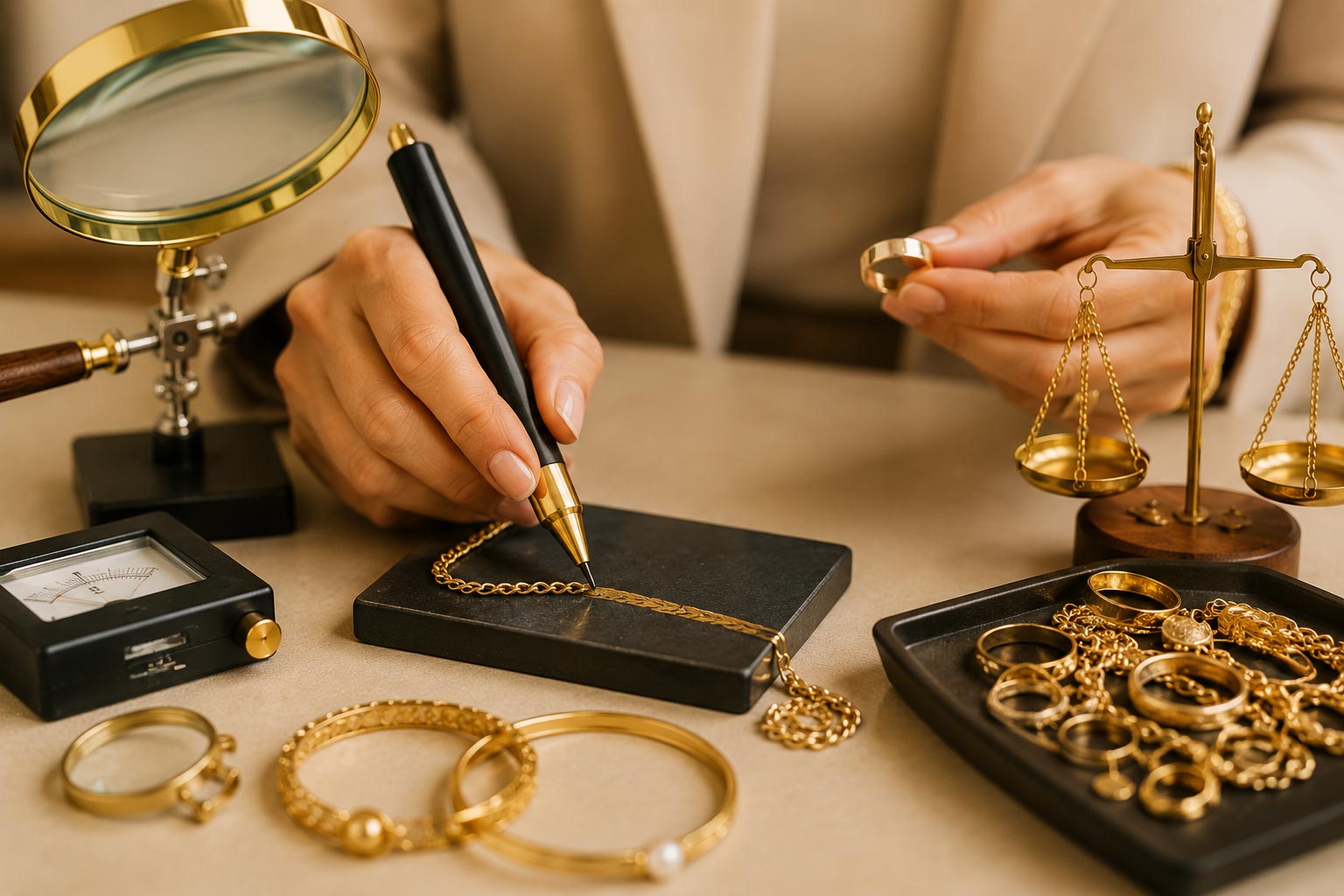
10. Have It Professionally Tested
The most accurate way to determine whether gold is real is to visit a reputable gold buyer or jeweler.
Professionals use advanced equipment such as:
- Electronic gold testers
- XRF analyzers
- Precision scales
- Acid testing kits
These methods provide highly accurate results without relying on guesswork.
Common Mistakes When Identifying Gold
Many people assume that color alone determines authenticity. In reality, counterfeit jewelry can closely imitate the appearance of real gold.
Avoid relying on a single test. Instead, combine several methods or seek a professional evaluation before buying or selling valuable items.
Conclusion
Learning how to tell if gold is real is an essential skill for anyone who buys, sells, or collects gold jewelry. Simple techniques like checking hallmarks, performing a magnet test, inspecting for discoloration, and verifying weight can help identify genuine gold. However, for complete confidence, professional testing remains the safest and most reliable option. By understanding these methods, you can protect your investment and ensure you receive the true value of your gold.